
The allure of risk and reward
The psychology of gambling is deeply intertwined with the allure of risk and reward. At its core, gambling offers a unique blend of excitement and uncertainty, which can be thrilling for many individuals. This attraction often stems from the human brain’s natural response to risk-taking behavior. When gamblers place a bet, their brains release dopamine, a neurotransmitter associated with pleasure and reward. This dopamine release can create a powerful sense of euphoria that keeps individuals returning for more, forming a cycle that can be difficult to break. Many players enjoy using platforms that accept different payment methods, including the popular casino neosurf option, as the stakes increase, so does the excitement, which can lead to escalating gambling habits.
Moreover, the concept of unpredictability can significantly heighten the appeal of gambling. Gamblers are often drawn to the possibility of an unexpected win; the thought of hitting the jackpot or achieving a big win adds to the excitement. This unpredictable nature fosters a sense of hope and anticipation, which can lead to persistent gambling behavior. Even when faced with losses, gamblers may cling to the belief that their next bet could be the winning one, reinforcing the cycle of risk-taking and reward-seeking. This psychological phenomenon can create a false sense of control, where gamblers believe that their chances of winning will improve with time or effort.
In addition, cognitive biases play a crucial role in shaping gambling habits. Many gamblers fall prey to the illusion of control, where they believe they can influence the outcome of a game based on their skills or strategies. This belief can create an overconfidence that fuels continued betting, even in the face of unfavorable odds. Furthermore, the gambler’s fallacy, which is the belief that past events influence future outcomes in independent events, exacerbates this issue. Understanding these psychological factors is essential for recognizing why some individuals develop compulsive gambling habits while others can participate without issue.
The emotional aspects of gambling
Emotional factors significantly influence gambling behavior, often acting as both a motivator and a consequence of gambling activities. Many gamblers turn to gambling as an escape from negative emotions or stress. This coping mechanism can provide temporary relief from daily pressures, but it may also lead to problematic habits. When individuals use gambling as a way to manage their emotions, they may find themselves trapped in a cycle where they gamble to escape from their feelings, only to feel guilt or shame after losing. This emotional turmoil can be detrimental, leading to increased isolation and anxiety.
The interplay of emotions such as excitement, fear, and regret can create an intense gambling experience. For instance, the thrill of winning can produce elation, while the disappointment of losing can lead to desperation. This emotional rollercoaster can make it challenging for individuals to recognize when their gambling habits are becoming unhealthy. As a result, many gamblers might rationalize their behavior, dismissing the emotional costs in favor of the temporary highs that gambling can provide. This cycle of highs and lows can further entrench individuals in their gambling habits, making it difficult to step back and evaluate their choices.
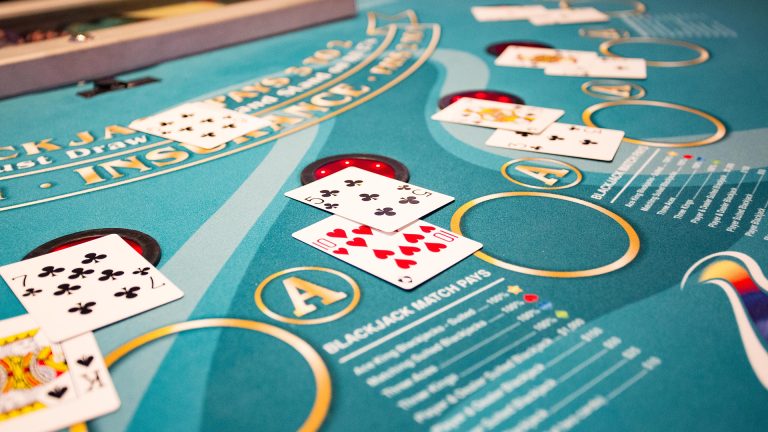
Furthermore, social influences can heighten emotional responses related to gambling. Engaging in gambling activities in social settings can amplify feelings of camaraderie and shared excitement, which may encourage risky behavior. Positive reinforcement from peers can also embolden individuals to gamble more, regardless of potential consequences. For example, a person may feel pressured to continue gambling to maintain social status or to fit in with a group that celebrates high-stakes play. Understanding the emotional dynamics at play can help individuals recognize the complex relationship between their feelings and gambling behaviors.
The impact of environment on gambling behavior
The environment in which gambling occurs can significantly shape an individual’s habits and behaviors. Various factors, such as the physical layout of casinos or online platforms, can enhance or diminish the gambling experience. For example, brightly lit machines, enticing sounds, and the general atmosphere within casinos are designed to stimulate excitement and extend playtime. This carefully crafted environment can lead players to lose track of time and money, making it easier to engage in prolonged gambling sessions. The sensory overload in such environments can create an immersive experience that is hard to resist.
Online gambling has also created a new environment that can impact players’ habits. The convenience and accessibility of online platforms mean that individuals can gamble from the comfort of their homes, reducing the perceived barriers to entry associated with physical casinos. This can lead to an increase in impulsive betting and frequency of play, especially for those who may struggle with self-control. The constant availability of online gambling can make it challenging for individuals to establish healthy boundaries. As a result, many players may find themselves betting more frequently and for larger amounts than they initially intended.
Moreover, the social context surrounding gambling activities can influence behavior. For instance, individuals may feel more inclined to gamble when in a group setting or during specific social events. Peer pressure and the desire to fit in can push individuals to engage in gambling behaviors they might otherwise avoid. The presence of friends or acquaintances can foster a sense of competition or excitement that encourages riskier bets. Understanding the impact of environmental and social factors is essential for addressing gambling habits and developing healthier patterns of play.
Understanding the role of cognition in gambling
Cognitive processes play a pivotal role in shaping gambling behaviors. Gamblers often engage in cognitive distortions that skew their perception of risk and reward. For instance, many believe they can predict outcomes based on recent patterns or feel that a winning streak is due to their skill rather than chance. Such biases can create a false sense of confidence, encouraging individuals to continue betting despite poor odds. This cognitive dissonance can lead to significant financial losses as gamblers chase their next win.

Additionally, gamblers may engage in selective memory, recalling their wins while downplaying or forgetting losses. This can perpetuate the cycle of gambling, as individuals focus on the thrills of victory rather than the consequences of their losses. Cognitive dissonance may also come into play; when faced with losses, gamblers might rationalize their behavior by emphasizing the potential for future wins, which can result in continued gambling despite negative outcomes. These cognitive distortions can make it difficult for individuals to recognize when their gambling is becoming problematic.
Exploring these cognitive aspects raises critical insights into why some individuals can gamble responsibly while others become addicted. Understanding the cognitive biases that underpin gambling can help develop interventions aimed at reshaping thought patterns and reducing harmful behaviors. This awareness can empower individuals to reassess their relationship with gambling and make informed decisions about their participation in these activities. By addressing cognitive distortions, individuals can learn to evaluate risks more realistically and develop healthier gambling habits.
Insights on responsible gambling and support
Given the complex interplay of factors influencing gambling habits, promoting responsible gambling practices is essential. Awareness and education about the psychological aspects of gambling can help individuals recognize the signs of problematic behavior. Encouraging self-reflection and mindfulness can empower players to acknowledge their triggers and establish healthy boundaries around gambling activities. This proactive approach can help prevent the escalation of gambling issues before they become more significant problems.
Support resources are crucial for individuals struggling with gambling addiction. Many organizations offer counseling, support groups, and educational programs designed to assist those affected by gambling-related issues. These resources aim to create an environment where individuals can discuss their experiences, seek guidance, and find support among others facing similar challenges. Connecting with others who share similar struggles can foster a sense of community and reduce feelings of isolation.
Additionally, the importance of collaboration between gamblers, family, and professionals cannot be overstated. Open communication can foster better understanding and support, enabling individuals to navigate their relationship with gambling more effectively. Family members can play a vital role in encouraging responsible behavior and offering support during difficult times. By prioritizing responsible gambling practices and providing comprehensive support systems, the broader community can work together to mitigate the negative impacts of gambling while celebrating its entertainment value. Through collective efforts, it is possible to create a safer environment for all participants in gambling activities.